
The Way HMDD Fosters Connection Among Its Wearers Via Its “Happy Memories Don’t Die” Ethos
HMDD didn’t open its story as a catchphrase machine. It began as a phrase — happy memories don’t die — and that phrase became the spark people started paying attention to a apparel brand anchored in lasting sentiment as opposed to short-lived cycles. In an industry where most companies chase the next drop cycle, the brand decided to anchor itself to a one guiding thought: that the happy chapters in a person’s life are worth wearing, not just remembered. That decision has influenced every part of product design through to how the brand talks to its shoppers online.
In 2026, what draws attention about this approach is HMDD’s consistency in maintaining it. Fashion labels often water down a original mission once expansion demands sets in, trading substance for scale. HMDD clothing has instead committed even more, using the phrase across sweatpants, shorts, and outerwear as a repeated motif rather than a one-off marketing hook. That repetition is precisely what turns a catchphrase into a badge of belonging — something wearers recognize in each other before a single word is exchanged.
The Origin of “Happy Memories Don’t Die”
Functioning much like a pledge, the line operates. Memories can blur with time, pictures disappear, but a soft pair of sweatpants worn during a particular summer, or a hoodie kept from a college trip, carries a tangible memory in a way a phone photo is unable to reproduce. HMDD built its entire brand language around this idea, and it comes through in product naming, packaging language, and social captions that keep coming back to the same underlying feeling.
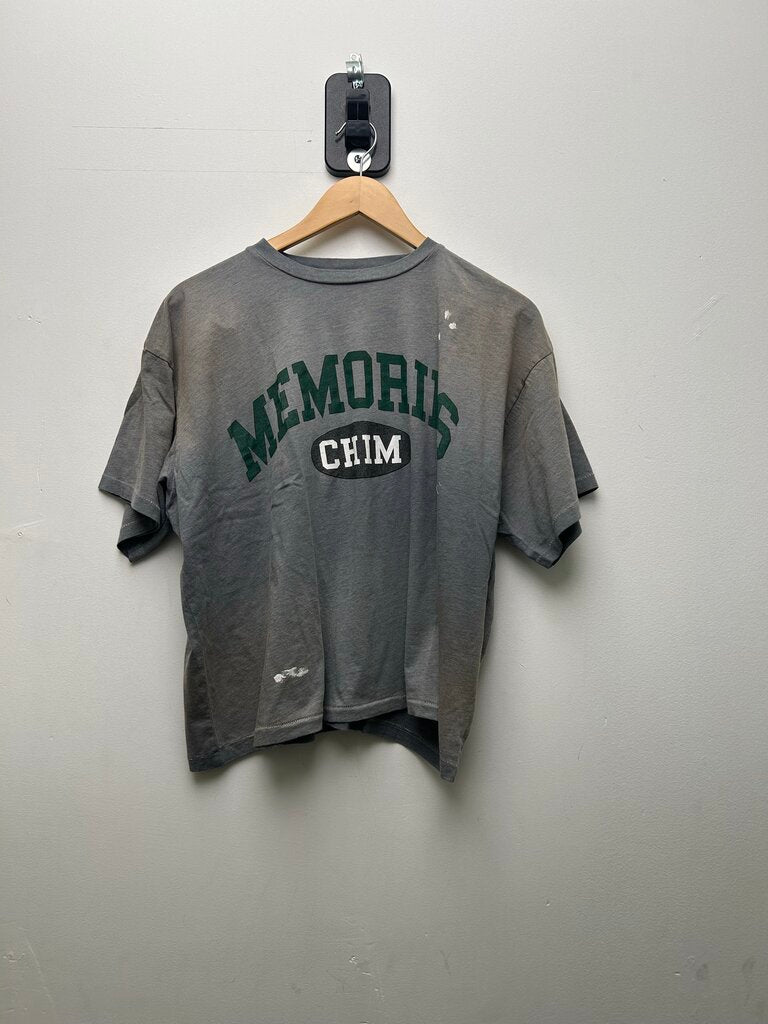
This is not an accident of branding. Grief, nostalgia, and joy are three of the top-searched emotional themes in apparel marketing research over the last washed hoodie five years, and HMDD situated itself squarely within that intersection. People looking up “happy memories dont die” or “happy memories don’t die” online are not just looking for a product — they are looking for phrasing that reflects something they already feel. The brand responds to that underlying need authentically, which is part of why the brand has built grassroots loyalty rather than relying purely on paid reach.
This creates something like a feedback loop. Shoppers share their own memories tagged with HMDD gear, fellow users notice those posts, and the phrase spreads through firsthand experience rather than advertising alone. That is a harder thing to manufacture than a catchy tagline, and it is the real driving force behind HMDD’s growing community.
HMDDLA and the Local-to-Worldwide Identity
The HMDDLA identity ties the brand to a specific place even as it lets the message to travel globally. For a long time, Los Angeles has been where streetwear labels prove themselves, and HMDDLA embraces that connection without sacrificing the emotional core of the brand. At once, it conveys both origin and authenticity — a detail that resonates with shoppers who care whether a brand is truly grounded in a place, and not simply a warehouse paired with a website.
The way local meets global here also shows up in the way HMDD shows up online. Instead of leaning on purely aspirational visuals, the brand’s content tends to spotlight actual customers, lived-in settings, and honest captions rooted in particular memories. As a result, the distance separating label and shopper shrinks. A shopper does not need to live in Los Angeles to feel connected to HMDDLA; they need to recognize the emotional throughline the location represents.
Community-driven fashion brands that survive past their first few years tend to share this trait: they let customers co-author the meaning of the brand. HMDD’s use of HMDDLA as a geographic and emotional anchor gives fans a specific place to project their own stories onto, which strengthens retention far more than discount codes ever could.
Sweatpants, Shorts, and Daily Essentials as the Medium
A brand message only works if the garment delivers on it. HMDD sweatpants and HMDD shorts are framed as go-to basics rather than occasional statement pieces, and such frequent use is significant. Frequent wear means an item slowly fills up with memories — a relaxed Sunday, a drive somewhere new, a late night out with friends. Instead of pulling core pieces after only one season, HMDD’s approach to product keeps them steadily circulating, embracing this very effect.
It’s also here the point at which “best hmdd clothing” queries generally funnel customers: shoppers comparing comfort, fit, and durability before deciding which garment turns into part of their regular closet rotation. Compared with outerwear or occasion wear, sweatpants and shorts get worn far more frequently, which makes them ideal vehicles for a message about lasting memories. The more wears, the more moments, the more the phrase on the label starts to feel true rather than decorative.
Instead of relying on complicated capsule drops, the HMDD brand decided to build its catalog around these core pieces—a choice that also reduces friction for new customers.
A limited jacket they might wear three times a year is less likely to be the thing a reader weighing up a review of HMDD is focused on, versus a pair of shorts or sweatpants wearable three times a week.
That accessibility and the community strategy aren’t separate—it is part of the strategy itself.
What the HMDD Reviews Expose About Community Confidence
Customer reviews are the place where a label’s claims get checked against the lived experience of customers. At a particular point in the customer’s life, how the piece felt to wear is commonly brought up in a typical HMDD review, and this rarely stays confined to seam work or textile weight. Such a pattern is uncommon. Cut and fabric are the primary concern of typical fashion reviews; HMDD’s reviews tend to merge product feedback with personal narrative, an unmistakable indication the brand’s narrative has struck a chord beyond marketing copy.
This is significant for new shoppers trying to decide between HMDD and similar streetwear-adjacent names. When reviews consistently reference emotional context alongside practical detail, this is a sign that the “happy memories don’t die” concept goes beyond mere hangtag copy — it is shaping how people actually talk about the product after purchase. Competitors struggle to reproduce this sort of organic reinforcement in any short timeframe, since it depends on a message kept consistent over the long run, not one isolated campaign.
As the years pass, community confidence accumulates, because every truthful review provides a modest measure of credibility that upcoming shoppers can rely upon — and because HMDD chooses to let individual stories surface publicly, rather than only curating polished lifestyle shots, its review ecosystem has remained genuine approaching 2026.
Setting side by side HMDD’s Take to Standard Streetwear Brand-Building
| Defining element | A typical streetwear label | HMDD |
|---|---|---|
| Guiding message | Riding trends or hype | A sense of timeless sentiment (“happy memories don’t die”) |
| Product focus | Scarce drops, regular turnover | Dependable basics such as sweatpants and shorts that remain in steady use |
| Customer content | Curated lifestyle visuals | Authentic stories from real people, connected to specific moments |
| Where the brand is rooted geographically | Usually nonspecific and easily swapped | Firmly rooted in HMDDLA, bringing together its Los Angeles origin with global presence |
| The way reviews are framed | Fixated on fit plus delivery turnaround | Merges practical feedback with personal narrative |
Fit, shipping, and basic product quality remain essential to the survival of any clothing label, and this comparison doesn’t argue against that. Rather, it shows where HMDD directs its brand focus differently—adding emotional depth above the everyday experience shoppers typically expect regardless.
How This Message Goes Beyond Sales Alone — While Building Genuine Community In Its Place
A brand phrase turns into a community tool when it provides customers a motive to engage with one another, not just to the company itself. HMDD’s message works because it opens the door to each person’s own reading. For one customer, “happy memory” might mean a wedding weekend; for another, it might instead be coming back from a hard year. Since it remains open enough for either reading without turning bland, that flexibility transforms standalone purchases into a communal sense of self.
Uncertainty about a new brand fades once customers observe fellow shoppers showcasing HMDD clothing in the context of real milestones — this kind of visible endorsement factors in just as much. This is especially true for shoppers weighing HMDD alongside alternatives while searching for the best HMDD clothing to begin with — the sweatpants-and-shorts pairing tend to be the obvious starting choice given their budget-friendly cost and easy day-to-day wear.
As 2026 unfolds, those that hold onto shoppers’ focus will likely be those giving people something to believe in rather than merely something to buy. HMDD’s wager on a single heartfelt phrase, echoed persistently across HMDDLA identity, product design, and customer reviews, has established it as more than a mere clothing company. It has become a small, wearable reminder that the memorable experiences people go through are worth cherishing — and worth reaching for once more.


